3 Days in Rome: The Perfect Itinerary

Rome is a city that rewards the unhurried. Three days won’t let you see everything — nothing ever will — but they’re enough to fall for it completely: to stand inside the Pantheon, get pleasantly lost in Trastevere, and watch the light turn the Forum gold. Here’s how we’d plan it.
A word on arriving. Fiumicino is some thirty kilometres from the centre, and the airport train leaves you at Termini with your bags still to drag across the city. If you land late, or with a suitcase you’d rather not wheel over cobbles, arrange the transfer before you fly.
Getting In From the AirportA driver meeting you at arrivals for a price fixed in advance — the difference between starting Rome relaxed and starting it hauling luggage through Termini.
Day 1 · Ancient Rome
Begin where Rome began. The Colosseum, Roman Forum and Palatine Hill sit side by side, and a single ticket covers all three. Arrive early — not just for the light, but for the quiet. By mid-morning the crowds thicken; by 9am you can almost hear the place breathe.
From the Forum, wander up to the Capitoline Hill and out onto the terrace behind the museums, where the ruins spread out beneath you like a map of the ancient world. Then follow the streets north toward the Pantheon, stopping for an espresso standing at the bar, the way Romans do.
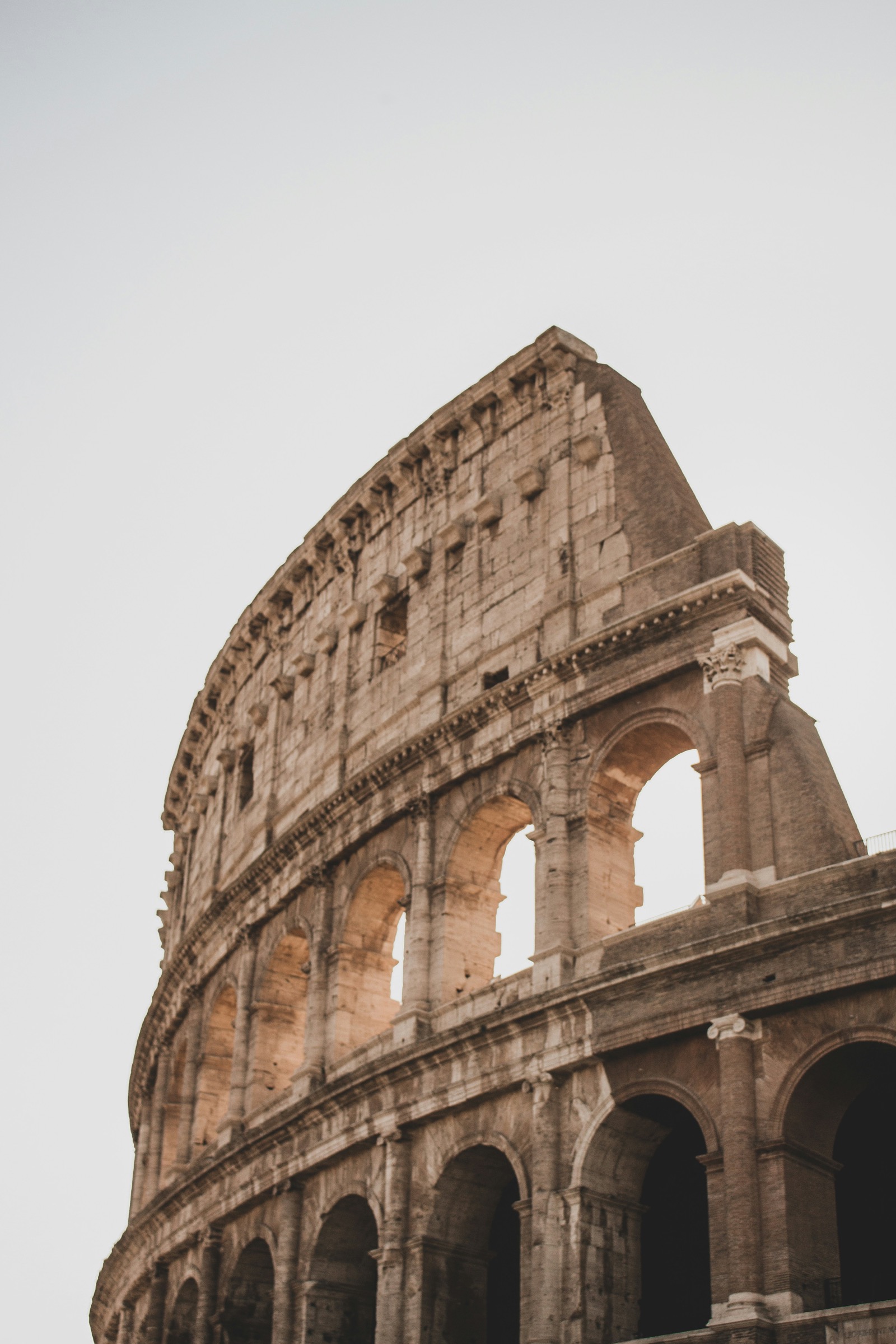
Book Colosseum tickets at least a week ahead in high season — the timed slots sell out, and the standby line can swallow an entire morning.
If you’d rather not think about tickets at all, this is the one tour we’d book in Rome.
Don't Miss
All three sites on one ticket with someone to explain what you’re standing in — the difference between seeing a ruin and understanding a city. Worth it on a first visit, and it solves the queue at the same time.
Spend the afternoon near the Forum, where a handful of small hotels put you within walking distance of everything. If you only splurge on location once, this is the place to do it.
Where We Recommend Staying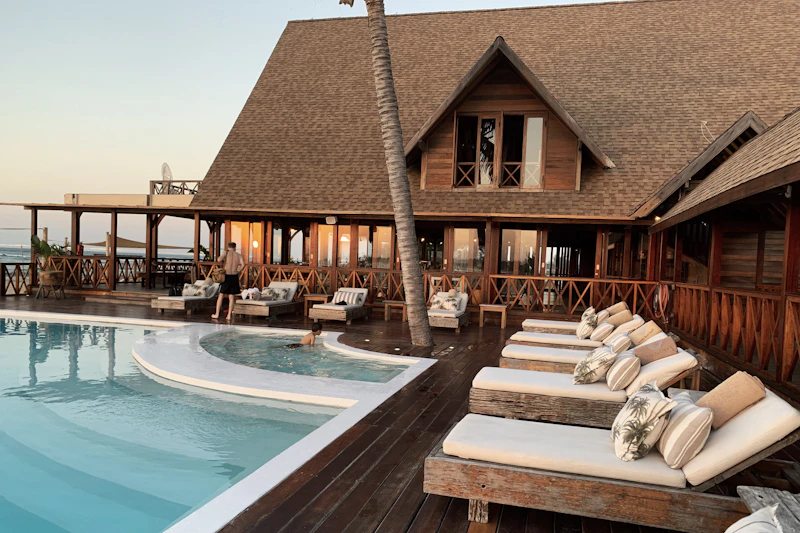
A quietly elegant townhouse on a cobbled lane in Monti — close enough to walk home from dinner, with a rooftop breakfast that looks straight out over ancient Rome.
End the day at the Pantheon after dark. The square empties, the fountain keeps running, and the great dome glows above you — one of those Rome moments no photograph quite holds onto.
Editor's Pick
Our favourite way to spend a first evening: the same squares you’d walk anyway, but emptied of the day’s crowds and lit like a stage set. If you only do one guided thing after dark, do this one.
Day 2 · Vatican City & Trastevere
Give the morning to the Vatican. The Museums lead, eventually and gloriously, to the Sistine Chapel; St Peter’s Basilica next door is free to enter and worth the queue. Go early, go patient, and don’t try to see every gallery — the highlights are enough.


The Vatican enforces a dress code — shoulders and knees covered for everyone. Carry a light scarf in summer; you’ll be turned away at the door without one.
We recommend an Italy eSIM for easy mobile data the moment you land.
Cross the river in the afternoon into Trastevere, Rome’s most beloved neighbourhood: ivy-hung lanes, worn cobblestones and trattorias that have been feeding the same families for generations. Come hungry, and let lunch run long.
Rome rewards the unhurried. The best moments happen in the spaces between the landmarks.
— Travel Journal
A neighbourhood institution for cacio e pepe and long lunches on the cobbles. Book a day ahead.
Day 3 · Baroque Rome & Hidden Corners
Your last day is for wandering. String together the great baroque set pieces — the Trevi Fountain, the Spanish Steps, Piazza Navona — but leave room to drift. Rome’s finest moments rarely appear on a checklist: a courtyard glimpsed through an open gate, a violinist under an arch, a market square waking up.
In the late afternoon, climb the Gianicolo Hill or the terrace above the Spanish Steps for one last view. As the light softens, the whole city turns the colour of honey — the perfect note to leave on.
Worth Booking
This is exactly the route of your last day, with someone to tell you why the Trevi has a horse rearing on one side and calm on the other. Worth it if you’d rather understand the set pieces than just photograph them.
One last thing, and the only piece of admin we’d insist on. Sort travel insurance before you fly — cobbled streets, long walking days and Italian summer heat are a combination that occasionally ends in a pharmacy, and it’s the one thing you can’t buy once something has already gone wrong.
Before You GoCover for an Italian trip, arranged in a few minutes before you leave — worth it for the medical cover alone if you’re travelling from outside the EU.
Two nights more and you can add the lakes: the train to Milan and on to Como takes a morning, and our guide to the best hotels on Lake Como covers which shore gets the evening light. If it’s the city-weekend format you’re after, 3 days in London works the same way.
Good to Know & FAQ
Is 3 days enough for Rome?
For a first visit, yes. Three days cover Ancient Rome, the Vatican and the great piazzas at a comfortable pace, with time for long lunches and evening walks. A fourth day lets you add a day trip — Tivoli or Ostia Antica — without rushing.
What’s the best area to stay in?
Monti and the centro storico put you within walking distance of the major sights. Trastevere is quieter and more atmospheric in the evenings. Both are lovely on foot — Rome is a walking city at heart.
When is the best time to visit?
April–June and September–October bring warm days, softer light and thinner crowds. July and August are hot and busy; if you go then, plan sightseeing for early morning and late afternoon.
What can I skip on a first visit?
The side galleries at the Vatican — walk the main route to the Sistine Chapel and let the rest go. The paid add-ons at the Colosseum, the arena floor and the underground, are worth it on a second trip rather than a first. And skip the restaurants directly on the big piazzas: walk two streets back and both the food and the bill improve.